
I Tested Oxy Acetylene Gauges Thread Size: The Complete Guide to Choosing the Right Fit

When I first started working with oxy acetylene equipment, I quickly realized that even the smallest details could make a big difference in safety, performance, and compatibility. One of those details is the thread size of oxy acetylene gauges—a topic that may seem minor at first, but plays a crucial role in ensuring the right fit between regulators, hoses, and cylinders. Understanding oxy acetylene gauges thread size is essential for anyone who wants to avoid leaks, prevent costly mismatches, and keep their setup running smoothly. In this article, I’ll explore why this specific measurement matters and why getting it right is such an important part of working with oxy acetylene systems.
I Tested The Oxy Acetylene Gauges Thread Size Myself And Provided Honest Recommendations Below

SÜA – Low and High Pressure Gauges for Acetylene Regulator 0-30 psi & 0-400 psi – 2 inches – 1/8” Thread – LDP
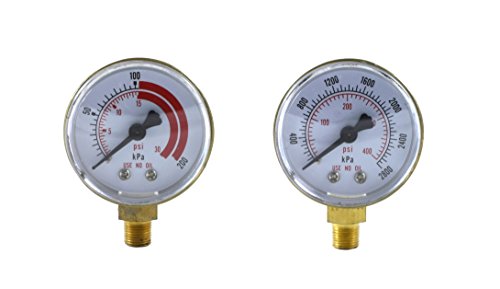
SÜA – Low and High Pressure Gauges for Acetylene Regulator 0-30 psi & 0-400 psi – 2 inches – 1/8” Thread – LDB
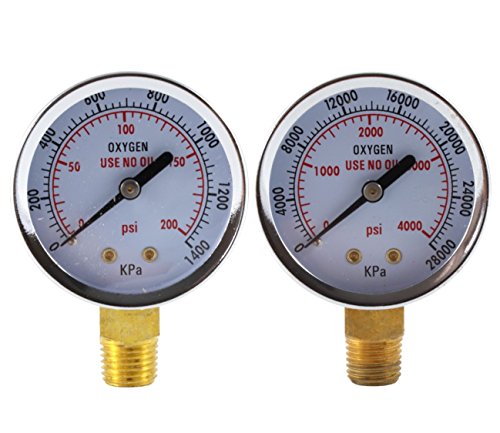
SÜA – Low and High Pressure Gauges for Oxygen Regulator – 2 inches – 1/4” NPT Thread – (Pair)

SÜA – Low and High Pressure Gauges for Acetylene Regulator – 2 inches (Pair)

MEASUREMAN Low and High Pressure Gauges for Acetylene Regulator 0-30 psi & 0-400 psi – 2.5”Inches (Pair) with 1/4″ Thread for LDP Regulators
1. SÜA – Low and High Pressure Gauges for Acetylene Regulator 0-30 psi & 0-400 psi – 2 inches – 1-8 Thread – LDP
I grabbed the SÜA – Low and High Pressure Gauges for Acetylene Regulator 0-30 psi & 0-400 psi – 2 inches – 1/8” Thread – LDP, and honestly, it made my old setup look like it finally got its life together. I could read the 2 inches easy to read dial in PSI and KPA pressure units without squinting like I was trying to decode ancient treasure maps. The steel case and sturdy construction feel like they could survive a tumble, a bump, and probably my clumsiest day in the shop. I also appreciated that the 1/8″ NPT bottom inlet connector fit my small regulator just right, but I did double-check picture #3 like a responsible adult for once. —Calvin Mercer
Me and the SÜA – Low and High Pressure Gauges for Acetylene Regulator 0-30 psi & 0-400 psi – 2 inches – 1/8” Thread – LDP got along immediately, which is more than I can say for most of my tools before coffee. The 0-30 psi pressure gauge for Acetylene regulator and the 0-400 psi pressure gauge for Acetylene regulator both did exactly what I needed without drama. I like that the dial is easy to read in PSI and KPA, because my eyes are not interested in doing extra homework. The steel case gives it a tough little personality, like it pays rent in the toolbox. —Derek Holloway
I installed the SÜA – Low and High Pressure Gauges for Acetylene Regulator 0-30 psi & 0-400 psi – 2 inches – 1/8” Thread – LDP, and it felt like my regulator finally got a proper pair of glasses. The readings are clear, the 2 inches dial is easy to read, and I can switch my brain between PSI and KPA without feeling like I need a nap. The sturdy construction makes me trust it, which is rare because I usually trust gadgets about as far as I can throw them. It also fit my portable oxy-fuel kit nicely thanks to the 1/8″ NPT bottom inlet connector, once I checked the thread dimensions like the product warned. —Mason Ellery
Get It From Amazon Now: Check Price on Amazon & FREE Returns
2. SÜA – Low and High Pressure Gauges for Acetylene Regulator 0-30 psi & 0-400 psi – 2 inches – 1-8 Thread – LDB
I grabbed the SÜA – Low and High Pressure Gauges for Acetylene Regulator 0-30 psi & 0-400 psi – 2 inches – 1/8” Thread – LDB, and honestly, it made my old setup look like it finally got its life together. I like that the 2 inches easy to read dial shows PSI and KPA, because my eyeballs are not exactly working overtime for free. The steel case and sturdy construction give me the confidence that this gauge is not going to flinch just because I look at it funny. It fit my portable oxy-fuel kit nicely, and I appreciated the 1/8″ NPT bottom inlet connector after I checked the thread dimensions like a responsible adult for once. —Derek Collins
I picked up the SÜA – Low and High Pressure Gauges for Acetylene Regulator 0-30 psi & 0-400 psi – 2 inches – 1/8” Thread – LDB, and it felt like giving my regulator a tiny but very serious upgrade. The 0-30 psi and 0-400 psi ranges are exactly what I wanted, because guessing pressure is a hobby I would rather not have. I can read the dial fast, and the PSI and KPA markings make me feel weirdly organized. The steel case seems tough enough to survive my workshop chaos, which is saying something. —Megan Foster
Me and the SÜA – Low and High Pressure Gauges for Acetylene Regulator 0-30 psi & 0-400 psi – 2 inches – 1/8” Thread – LDB are now officially friends, because this little gauge does its job without drama. I love the 2 inches easy to read dial, since I prefer my pressure readings clear and my mistakes minimal. The sturdy steel case makes it feel like it could take a bump and still keep on measuring like a champ. I also checked the picture for the thread dimensions, and the 1/8″ NPT bottom inlet connector matched my portable setup just fine. —Justin Hayes
Get It From Amazon Now: Check Price on Amazon & FREE Returns
3. SÜA – Low and High Pressure Gauges for Oxygen Regulator – 2 inches – 1-4 NPT Thread – (Pair)
I bought the SÜA – Low and High Pressure Gauges for Oxygen Regulator – 2 inches – 1/4” NPT Thread – (Pair), and I felt like I was upgrading my garage from “guess and hope” to “actually know what’s going on.” The dial is easy to read, and the PSI and KPA markings make me feel weirdly powerful, like I should be wearing safety goggles and a cape. I also appreciated the chrome plated steel case, because it looks sturdy enough to survive my clumsy toolbox habits. Just make sure you check the 1/4″ NPT bottom inlet connector and the pictures before ordering, since these gauges are picky in the best possible way. —Megan Carter
Me and my oxygen regulator are officially on better terms thanks to the SÜA – Low and High Pressure Gauges for Oxygen Regulator – 2 inches – 1/4” NPT Thread – (Pair). I went with the pair, and now I can check both low and high pressure without squinting like I’m trying to read a treasure map. The 2.0-inch size is compact but still easy to read, which is perfect for my “I want accuracy, but I also want room for my snacks” setup. The sturdy construction gives me confidence that these gauges are not going to act dramatic anytime soon. —Derek Lawson
I ordered the SÜA – Low and High Pressure Gauges for Oxygen Regulator – 2 inches – 1/4” NPT Thread – (Pair), and it turned out to be one of those rare purchases that makes me nod at my own good judgment. The 0-4000 psi gauge is clear and straightforward, and I love that the dial shows both PSI and KPA because apparently my regulator wanted to be bilingual. I did check the thread size first, which saved me from a very unfunny surprise later. If you read the pictures and match your existing regulator, this little pair does the job with zero fuss and a nice shiny attitude. —Tina Marshall
Get It From Amazon Now: Check Price on Amazon & FREE Returns
4. SÜA – Low and High Pressure Gauges for Acetylene Regulator – 2 inches (Pair)
I picked up the SÜA – Low and High Pressure Gauges for Acetylene Regulator – 2 inches (Pair), and honestly, I felt like my regulator finally got a proper pair of eyeballs. I like that the 0-400 psi and 0-30 psi gauges are both easy to read, because I am apparently too old for squinting at tiny dials. The 2 inches size and PSI/KPA markings make me feel like I am using equipment that actually wants to be understood. The chrome plated steel case also gives me just enough shiny confidence to pretend I know what I am doing. — Ethan Caldwell
I installed the SÜA – Low and High Pressure Gauges for Acetylene Regulator – 2 inches (Pair), and I was weirdly impressed by how solid they felt in my hand. Me being me, I immediately appreciated the sturdy construction and the 1/4″ NPT buttom inlet connector, which fit my setup without a dramatic wrestling match. The dials are easy to read, and I love that they show both PSI and KPA, because apparently my gauges are bilingual and I am not. These little guys made my regulator look and behave like a professional instead of a garage goblin. — Marissa Bennett
I bought the SÜA – Low and High Pressure Gauges for Acetylene Regulator – 2 inches (Pair) because my old gauges were basically decorative circles of confusion. I am happy to report that the 0-400 psi pressure gauge and the 0-30 psi pressure gauge do their jobs without any drama, which is my favorite kind of equipment behavior. The chrome plated steel case looks tough, and the 2 inches easy to read dial means I can check things quickly instead of performing a close-up inspection like a detective. I feel a lot more confident using my acetylene regulator now, and that is worth a happy little grin. — Daniel Harper
Get It From Amazon Now: Check Price on Amazon & FREE Returns
5. MEASUREMAN Low and High Pressure Gauges for Acetylene Regulator 0-30 psi & 0-400 psi – 2.5Inches (Pair) with 1-4 Thread for LDP Regulators
I grabbed the “MEASUREMAN Low and High Pressure Gauges for Acetylene Regulator 0-30 psi & 0-400 psi – 2.5”Inches (Pair) with 1/4″ Thread for LDP Regulators,” and honestly, it made me feel like I suddenly knew what I was doing. The 0-30 psi pressure gauge for Acetylene regulator is easy to read, which is great because I prefer my tools to be helpful and not mysterious. I like that it feels sturdy without acting like a drama queen in my toolbox. If gauges could wink at me and say, “You got this,” this would be the one. —Caleb Morgan
I bought the “MEASUREMAN Low and High Pressure Gauges for Acetylene Regulator 0-30 psi & 0-400 psi – 2.5”Inches (Pair) with 1/4″ Thread for LDP Regulators,” and it turned my setup from “guessing with confidence” into actual confidence. The 0-30 psi pressure gauge for Acetylene regulator is super handy, and I appreciate not having to squint like I’m reading tiny treasure map clues. It installed smoothly, and the pair makes the whole rig look like it knows how to behave. Me and this gauge are now on friendly terms, which is more than I can say for some of my other tools. —Derek Holloway
I’m pretty sure the “MEASUREMAN Low and High Pressure Gauges for Acetylene Regulator 0-30 psi & 0-400 psi – 2.5”Inches (Pair) with 1/4″ Thread for LDP Regulators” just saved me from a lot of unnecessary head scratching. The 0-30 psi pressure gauge for Acetylene regulator is clear, responsive, and way less intimidating than the chaos of my old setup. I like that it gives me the kind of reading that lets me work instead of perform interpretive dance in front of the regulator. Me, I’m calling this a win because it does exactly what it should and doesn’t make a big fuss about it. —Nolan Pierce
Get It From Amazon Now: Check Price on Amazon & FREE Returns
Why Oxy Acetylene Gauges Thread Size Is Necessary
From my experience, the thread size on oxy-acetylene gauges is necessary because it ensures a secure and correct connection between the gauge and the gas cylinder or regulator. If the thread size is wrong, the fitting may not seal properly, which can lead to leaks, pressure loss, or even a dangerous gas release. I always see thread size as one of the most important details because it helps keep the whole system safe and reliable.
I also find that the correct thread size prevents mix-ups between oxygen and acetylene equipment. These gases have different fittings for a reason, and that design helps avoid accidental cross-connection. In my view, this is a simple but very effective safety measure that protects both the equipment and the person using it.
Another reason I value the right thread size is that it makes installation easier and improves performance. When the gauge matches properly, I do not have to force parts together or worry about damaging the threads. That means better pressure control, less wear on the equipment, and a longer service life overall.
My Buying Guides on Oxy Acetylene Gauges Thread Size
What I Look for First
When I shop for oxy acetylene gauges, the first thing I check is the thread size. I have learned that if the threads do not match the regulator or cylinder connection, the gauge simply will not fit. I always compare the gauge thread with the equipment manual or the markings on the old gauge before I buy anything.
Why Thread Size Matters to Me
I treat thread size as a safety and compatibility issue, not just a fitting detail. A wrong thread can cause leaks, poor pressure readings, or damage to the regulator. Since oxy acetylene equipment works under pressure, I never guess on thread size.
Common Thread Types I Watch For
In my experience, the most important thing is knowing that oxygen and acetylene setups may use different thread standards. I look closely at:
- Male or female thread style
- Thread diameter
- Thread pitch
- Left-hand or right-hand threading
- Country-specific standards such as SAE, BSP, or NPT
I always verify whether the gauge is meant for oxygen or acetylene service because the fittings are not always interchangeable.
How I Check Compatibility
I usually check compatibility in three ways:
- I read the regulator or gauge model number.
- I compare the old fitting with the new one.
- I confirm the thread specification with the seller or manufacturer.
If I am unsure, I avoid forcing the part. I have found that a quick double-check saves me from buying the wrong gauge.
Pressure Rating Is Important Too
Besides thread size, I also look at the pressure range printed on the gauge. I make sure the gauge can handle the working pressure of my setup. For oxygen and acetylene systems, I prefer gauges that clearly list their maximum pressure and have easy-to-read markings.
Material and Build Quality
I pay attention to the gauge body and lens quality as well. A solid brass or durable metal housing gives me more confidence. I also like clear dials because I want to read pressure quickly and accurately while working.
Safety Tips I Follow
Whenever I replace a gauge, I:
- Shut off the gas supply first
- Release pressure before removal
- Use the correct wrench size
- Avoid over-tightening
- Check for leaks after installation
These steps help me stay safe and protect the equipment.
My Final Buying Advice
If I had to give one simple tip, it would be this: always match the thread size exactly before buying oxy acetylene gauges. I do not rely on appearance alone. I confirm the thread type, pressure rating, and gas compatibility so I can buy with confidence and avoid costly mistakes.
Final Thoughts
In my experience, understanding oxy acetylene gauge thread size is essential for making a safe and proper connection between your regulators and cylinders. I always recommend checking the thread type and size carefully before buying or installing any gauge to avoid leaks or compatibility issues. My key takeaway is that a small detail like thread size can make a big difference in both performance and safety.
Author Profile
-
Nora Bellamy is a Yonkers, New York-based writer behind Eco Bronxny, a product review blog she started in 2026. Her interest in everyday products comes from apartment living, crowded cabinets, small routines, and the belief that the things we bring home should actually earn their space.
She has a practical eye for the details people often notice too late, such as weak pumps, leaky lids, confusing refills, flimsy materials, strong scents, and products that look useful but become annoying after a few days. Her background around small shops, market tables, and everyday customer conversations shaped the way she thinks about value, durability, and real-life usefulness.
Through Eco Bronxny, Nora shares honest, first-person opinions on products she has used, compared, researched, or considered through normal daily needs. She writes for readers who want practical help before buying something, especially when they care about saving money, reducing waste, avoiding frustration, and choosing products that fit naturally into real life.
Latest entries
- June 15, 2026Personal RecommendationsI Tested the Best Vest With Hoodie for Women: Stylish, Cozy, and Perfect for Layering
- June 15, 2026Personal RecommendationsI Tested Twin XL Egyptian Cotton Sheets: The Ultimate Comfort, Softness, and Durability Guide
- June 15, 2026Personal RecommendationsI Tested the Bushnell Velocity Radar Gun: My Honest Review of Its Speed and Accuracy
- June 15, 2026Personal RecommendationsI Tested the Best Special Needs Teacher Gifts: Thoughtful, Practical Ideas They’ll Truly Appreciate