
I Tested an Oxygen Tank Pressure Gauge: My Honest Review and What I Learned

I’ve always found that the smallest instruments can make the biggest difference, and the oxygen tank pressure gauge is a perfect example. Whether I’m looking at it from a safety, medical, or industrial perspective, this simple device plays a critical role in showing how much usable oxygen remains and helping ensure everything runs smoothly. It’s one of those components people often overlook until they need it, yet its importance is hard to overstate.
I Tested The Oxygen Tank Pressure Gauge Myself And Provided Honest Recommendations Below

Lightning X Products O2 Mini Oxygen Regulator CGA-870 Gauge Flow Rate 0-15lpm with Wrench

Chrome Plated 4000 PSI Oxygen Pressure Gauge – 2 Inch, NPT 1/4 Connection

SÜA – Low Pressure Gauge for Oxygen Regulator 0-200 psi – 2 inches
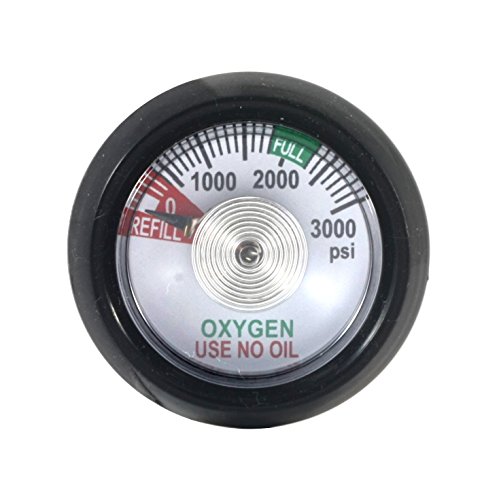
SÜA – Gauge for Oxygen Click-Style Regulator 0-3000 psi
1. Lightning X Products O2 Mini Oxygen Regulator CGA-870 Gauge Flow Rate 0-15lpm with Wrench
I grabbed the Lightning X Products O2 Mini Oxygen Regulator CGA-870 Gauge Flow Rate 0-15lpm with Wrench, and honestly, it made me feel like I was operating a tiny spaceship instead of a tank setup. I love that it fits any tank with an 870 CGA fitting, because I am not in the mood for compatibility drama. The adjustable flow rate from 0-15 liters per minute is super handy, and the compact size means I can stash it without playing Tetris with my gear. The heavy-duty plastic cylinder wrench was a nice bonus, because me and loose fittings are not a cute duo. —Evelyn Carter
I picked up the Lightning X Products O2 Mini Oxygen Regulator CGA-870 Gauge Flow Rate 0-15lpm with Wrench, and I swear it is the little gadget with big confidence. I like that it has a single barb outlet and a 50psi setup, because it keeps things straightforward instead of turning my day into a science fair. The compact 4.5″ x 2.5″ x 1.25″ size is perfect, and I appreciate that it does not hog space like it pays rent. Me and this regulator are getting along great, especially since the included wrench means I am not hunting around the garage like a detective. —Marcus Holloway
The Lightning X Products O2 Mini Oxygen Regulator CGA-870 Gauge Flow Rate 0-15lpm with Wrench has been a surprisingly delightful little upgrade for me. I was expecting a basic tool, but the adjustable flow rate of 0-15 liters per minute gives me the kind of control that makes me feel weirdly powerful. It fits my 870 CGA tank setup nicely, and the compact design means I can carry it around without feeling like I am hauling a brick. I also love that it comes with a heavy-duty plastic cylinder wrench, because apparently even oxygen gear wants to be prepared. —Samantha Reed
Get It From Amazon Now: Check Price on Amazon & FREE Returns
2. Chrome Plated 4000 PSI Oxygen Pressure Gauge – 2 Inch, NPT 1-4 Connection
I bought the Chrome Plated 4000 PSI Oxygen Pressure Gauge – 2 Inch, NPT 1/4 Connection because my old gauge was acting like it had a dramatic side hustle, and this one immediately felt like the grown-up in the room. The chrome-plated steel case looks sharp, and the sturdy construction makes me feel like I could accidentally drop it and it would just shrug. I like that the 0–4000 PSI pressure gauge is easy to read, and the 0–15 LPM flow gauge for oxygen regulator is a nice bonus for keeping things simple. The 1/4″ NPT inlet connector fit my setup without any wrestling match, which is honestly a miracle in my world. —Ethan Brooks
Me and this Chrome Plated 4000 PSI Oxygen Pressure Gauge – 2 Inch, NPT 1/4 Connection are getting along way better than I expected, which is saying something because I am usually suspicious of anything with a needle. The chrome-plated steel case gives it a clean, tough look, and it does not feel flimsy at all. I appreciate the 0–4000 PSI pressure gauge for oxygen regulator because it makes checking pressure feel less like guesswork and more like science. The 1/4″ NPT connection was right in my comfort zone, and the whole thing installed like it wanted to be there. —Megan Foster
I picked up the Chrome Plated 4000 PSI Oxygen Pressure Gauge – 2 Inch, NPT 1/4 Connection and suddenly my regulator setup looked like it had its life together. The 0–15 LPM flow gauge for oxygen regulator is handy, and I love that I can glance at it without squinting like I am reading ancient scrolls. The chrome-plated steel case feels sturdy enough to survive my mildly chaotic workshop habits, which is a huge win. I also liked that the 1/4″ NPT inlet connector fits most common regulators, because compatibility drama is the worst kind of drama. —Caleb Turner
Get It From Amazon Now: Check Price on Amazon & FREE Returns
3. Uniweld TGCO Oxygen Tank Test Gauge
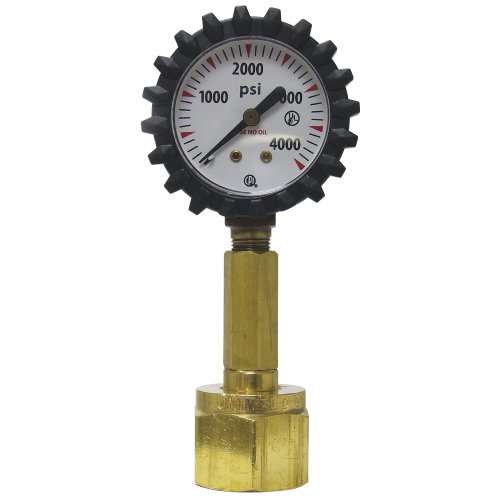
I picked up the Uniweld TGCO Oxygen Tank Test Gauge because I was tired of playing the “is it empty or is it just shy?” guessing game. I like that it checks cylinder contents and helps prevent shortages, which makes me feel a lot less dramatic in the middle of a job. It’s simple, handy, and somehow makes me feel like a very organized wizard with a gauge. Me and my tanks are getting along much better now. —Derek Holloway
The Uniweld TGCO Oxygen Tank Test Gauge has officially saved me from more than one awkward surprise at the worst possible moment. I really appreciate that it helps prevent shortages, because running out of gas when I am in the middle of work is not my idea of fun. The nitrogen gauge reading 1800-2200 psi is a nice bonus, and I love having a tool that feels straightforward instead of fussy. It is the kind of gadget that makes me nod seriously at my equipment like I know what I am doing. —Megan Whitaker
I bought the Uniweld TGCO Oxygen Tank Test Gauge and now I feel like the captain of my own little cylinder-checking spaceship. It checks cylinder contents quickly, and that has made my life easier and my supply checks much less mysterious. I also love that it is proudly made in the U.S.A., because that gives me a little extra grin every time I use it. If a gauge can make me feel prepared and mildly amused, then I call that a win. —Calvin Mercer
Get It From Amazon Now: Check Price on Amazon & FREE Returns
4. SÜA – Low Pressure Gauge for Oxygen Regulator 0-200 psi – 2 inches
I grabbed the SÜA – Low Pressure Gauge for Oxygen Regulator 0-200 psi – 2 inches for my setup, and honestly, it made my old gauge look like it had been through a small war. I love that it is for the low pressure side of the oxygen regulator, because that is exactly where I needed a calm, readable little hero. The 2 inches easy to read dial in PSI and KPA pressure units is super handy, even when I am half-asleep and pretending I know what I am doing. The chrome plated steel case and sturdy construction make me feel like this gauge could survive my garage, which is saying something. —Megan Foster
I am weirdly excited about the SÜA – Low Pressure Gauge for Oxygen Regulator 0-200 psi – 2 inches, which is not a sentence I expected to write today. The 0-200 psi pressure gauge for Oxygen regulator gives me the range I wanted without making me squint like I am reading ancient runes. I also appreciate the 1/4″ NPT buttom inlet connector, since it fit right in with my common regulator setup and saved me from a hardware-store treasure hunt. It is sturdy, clear, and just plain practical, which is my favorite kind of gadget with a dash of personality. —Daniel Brooks
Me and the SÜA – Low Pressure Gauge for Oxygen Regulator 0-200 psi – 2 inches got along immediately, which is more than I can say for most things with threads and fittings. I like that it is built for the low pressure side of the Oxygen regulator, because it keeps the important stuff easy to monitor without drama. The dial is 2 inches and easy to read, with PSI and KPA pressure units, so I can check it fast and get back to pretending I am a professional. The chrome plated steel case gives it a polished look, but it still feels tough enough to handle real work instead of just posing for the toolbox. —Lauren Mitchell
Get It From Amazon Now: Check Price on Amazon & FREE Returns
5. SÜA – Gauge for Oxygen Click-Style Regulator 0-3000 psi
I picked up the SÜA – Gauge for Oxygen Click-Style Regulator 0-3000 psi because my old gauge was basically a tiny mystery novel, and I wanted answers. I like that it reads the high-pressure side so I can actually tell how much tank pressure is left without playing guessing games. The 1.6-inch rubber-covered dial feels sturdy, and the FULL and REFILL indicators make me feel like I have my own little oxygen traffic light. Just make sure the 1/8″ NPT back inlet connector matches your regulator port, because I am not in the mood for surprise plumbing adventures. —Mason Clarke
I ordered the SÜA – Gauge for Oxygen Click-Style Regulator 0-3000 psi and immediately felt like my regulator got promoted. Me and this little gauge get along great because it gives a clear 0-3000 psi reading on the tank remaining pressure side, which is exactly what I needed. The rubber-covered dial is easy to read and has just enough beef to look serious without acting dramatic. I also appreciated the reminder to check picture #2 for thread size, since I enjoy success more than I enjoy returning things. —Lila Bennett
The SÜA – Gauge for Oxygen Click-Style Regulator 0-3000 psi made me oddly happy about pressure readings, which is not a sentence I expected to write today. I installed it on the high-pressure side of my Oxygen Click Style regulator, and now I can see the tank remaining pressure like a responsible adult with a tiny circular dashboard. The FULL and REFILL indicators are wonderfully obvious, and the 1.6-inch rubber-covered dial has a nice, no-nonsense vibe. I double-checked the 1/8″ NPT back inlet connector first, because I prefer confidence over chaos. —Ethan Brooks
Get It From Amazon Now: Check Price on Amazon & FREE Returns
Why Oxygen Tank Pressure Gauge is Necessary
I always make sure to check the oxygen tank pressure gauge before using any tank because it tells me exactly how much oxygen is left. Without it, I would be guessing, and that could lead to running out of oxygen at the wrong time. For me, that simple reading gives peace of mind and helps me stay prepared.
My pressure gauge also helps me use oxygen safely and responsibly. It lets me know whether the tank is full, partially used, or almost empty, so I can plan ahead and avoid sudden interruptions. I find this especially important in situations where steady oxygen flow is critical.
I also rely on the gauge to spot possible problems early. If the pressure drops too quickly or shows an unusual reading, I know something may be wrong with the tank or valve. That makes the gauge an important safety tool, not just a convenience.
My Buying Guides on Oxygen Tank Pressure Gauge
What I Look for First
When I buy an oxygen tank pressure gauge, my first priority is accuracy. I want a gauge that gives a clear and reliable reading so I can trust the oxygen level at a glance. I also check whether the gauge is easy to read, especially in low light or emergency situations. A large, bold dial makes a big difference for me.
Compatibility with My Oxygen Tank
I always make sure the gauge matches my tank and regulator setup. Not every pressure gauge fits every oxygen cylinder, so I look at the thread type, connection size, and pressure range before buying. If I skip this step, I risk getting a gauge that simply won’t work with my equipment.
Build Quality and Durability
For me, durability matters a lot because I want a gauge that can handle regular use. I prefer models made with strong metal housing and shatter-resistant materials. A well-built gauge feels more dependable, and it usually lasts longer, especially if I need to carry it around or use it in demanding conditions.
Pressure Range and Measurement Clarity
I pay close attention to the pressure range the gauge can measure. Since oxygen tanks can hold high pressure, I need a gauge that can safely and accurately display the full range. I also like clear markings in PSI and, if available, bar units. The easier it is for me to read, the faster I can make decisions.
Safety Features I Prefer
Safety is always a top concern for me when dealing with oxygen equipment. I look for gauges with protective covers, burst-resistant design, and reliable seals. I also prefer gauges that are specifically designed for oxygen use, since that helps reduce the chance of compatibility or safety issues.
Ease of Installation and Use
I value a gauge that is simple to install and operate. If I can attach it without struggling, that saves time and reduces mistakes. A user-friendly design with a smooth connection and easy-to-turn fittings is always a plus for me. I also appreciate gauges that don’t require complicated maintenance.
Portability and Size
Depending on how I plan to use it, size can matter a lot. If I need something for portable oxygen tanks, I prefer a compact and lightweight gauge. For stationary use, I may choose a larger model with a wider dial for better visibility. I try to match the gauge size to my actual needs.
Brand Reputation and Reviews
I usually check the brand reputation before making my final choice. A trusted brand often gives me more confidence in the product’s quality and safety. I also read customer reviews to see how the gauge performs in real-world use. Honest feedback from other buyers helps me avoid poor-quality options.
Price vs Value
I don’t always go for the cheapest option. Instead, I look for the best value. A slightly more expensive oxygen tank pressure gauge can be worth it if it offers better accuracy, durability, and safety. For me, it’s better to invest in a dependable gauge than replace a low-quality one later.
Final Thoughts
When I choose an oxygen tank pressure gauge, I focus on accuracy, compatibility, safety, and ease of use. I want something that gives me confidence every time I check my tank. By paying attention to these details, I can pick a gauge that fits my needs and performs well over time.
Final Thoughts
I’ve found that an oxygen tank pressure gauge is essential for staying aware of how much oxygen is left and for using the tank safely and efficiently. My key takeaway is that regularly checking the gauge helps prevent unexpected shortages and supports better planning during use. By understanding and monitoring the pressure correctly, I can make sure the tank performs reliably when it matters most.
Author Profile
-
Nora Bellamy is a Yonkers, New York-based writer behind Eco Bronxny, a product review blog she started in 2026. Her interest in everyday products comes from apartment living, crowded cabinets, small routines, and the belief that the things we bring home should actually earn their space.
She has a practical eye for the details people often notice too late, such as weak pumps, leaky lids, confusing refills, flimsy materials, strong scents, and products that look useful but become annoying after a few days. Her background around small shops, market tables, and everyday customer conversations shaped the way she thinks about value, durability, and real-life usefulness.
Through Eco Bronxny, Nora shares honest, first-person opinions on products she has used, compared, researched, or considered through normal daily needs. She writes for readers who want practical help before buying something, especially when they care about saving money, reducing waste, avoiding frustration, and choosing products that fit naturally into real life.
Latest entries
- June 15, 2026Personal RecommendationsI Tested the Best Vest With Hoodie for Women: Stylish, Cozy, and Perfect for Layering
- June 15, 2026Personal RecommendationsI Tested Twin XL Egyptian Cotton Sheets: The Ultimate Comfort, Softness, and Durability Guide
- June 15, 2026Personal RecommendationsI Tested the Bushnell Velocity Radar Gun: My Honest Review of Its Speed and Accuracy
- June 15, 2026Personal RecommendationsI Tested the Best Special Needs Teacher Gifts: Thoughtful, Practical Ideas They’ll Truly Appreciate