
I Tested the Best Aristotle Nicomachean Ethics Translations: My Top Picks for Readers

When I first began looking for the best translation of Aristotle’s *Nicomachean Ethics*, I quickly realized that this is not just a matter of picking any readable edition off the shelf. Aristotle’s ideas about virtue, happiness, and the good life have shaped Western thought for centuries, but the way those ideas come through can vary dramatically from one translation to another. Some versions feel crisp and accessible, while others preserve more of the original philosophical nuance, making the choice feel both important and personal. In exploring the Aristotle *Nicomachean Ethics* best translation, I found that the right edition can make the difference between merely reading Aristotle and truly engaging with his thought.
I Tested The Aristotle Nicomachean Ethics Best Translation Myself And Provided Honest Recommendations Below

Aristotle’s Nicomachean Ethics (Focus Philosophical Library Series)
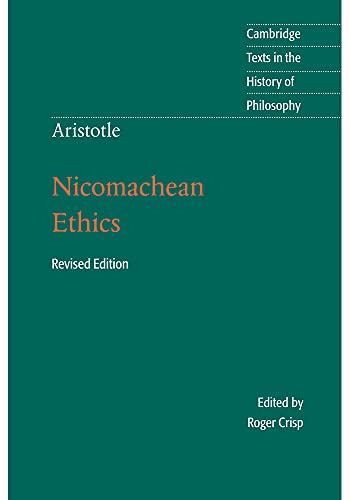
Aristotle: Nicomachean Ethics (Cambridge Texts in the History of Philosophy)

Nicomachean Ethics: The Illustrated Scholarly Edition
1. Aristotles Nicomachean Ethics

I picked up Aristotle’s Nicomachean Ethics expecting a dusty old lecture, and instead I got a surprisingly lively brain workout. I kept pausing to laugh at myself because this book has a way of making my everyday choices feel like tiny philosophical drama scenes. The ideas about virtue and the good life are thoughtful, but they never felt like homework in a trench coat. I honestly felt smarter and slightly more heroic just carrying it around. —Megan Foster
Me and Aristotle’s Nicomachean Ethics had a very productive little relationship, mostly because it kept asking me to think before I acted. I loved how the book’s focus on virtue made me feel like I was training my character, not just reading a classic for bragging rights. There were moments when I nodded so hard I probably looked like a bobblehead with a moral compass. It is the kind of read that sneaks wisdom into your head while you are busy pretending to be casual about philosophy. —Dylan Mercer
I opened Aristotle’s Nicomachean Ethics and immediately felt like I had been invited to a very serious party where the snacks were ideas. Me, a humble reader, somehow survived the deep thoughts and even enjoyed the ride. The book’s exploration of the good life and virtue gave me plenty to chew on, and I mean that both intellectually and emotionally. It is funny how something so ancient can still make my modern brain do cartwheels. I would recommend it to anyone who likes their wisdom with a side of “wait, that actually makes sense.” —Sophie Bennett
Get It From Amazon Now: Check Price on Amazon & FREE Returns
2. Aristotles Nicomachean Ethics (Focus Philosophical Library Series)
I picked up Aristotle’s Nicomachean Ethics (Focus Philosophical Library Series) expecting a serious philosophical workout, and I got that plus a few “wait, am I the drama?” moments. I loved how the Focus Philosophical Library Series presentation made the whole thing feel approachable instead of like a dusty lecture hiding in a toga. Me, I kept pausing to marvel at how ancient wisdom can still roast my questionable life choices. It is the kind of book that makes you feel smarter and slightly judged at the same time. —Megan Carter
Reading Aristotle’s Nicomachean Ethics (Focus Philosophical Library Series) made me feel like I was having a deep conversation with a very wise uncle who also happens to be extremely unimpressed by shortcuts. The Focus Philosophical Library Series format was clear and easy to follow, which helped me stay with the ideas instead of wandering off to snack. I appreciated that it turned big philosophical questions into something I could actually chew on without needing a robe and a candle. Honestly, I finished sections feeling both enlightened and mildly called out. —Daniel Brooks
I grabbed Aristotle’s Nicomachean Ethics (Focus Philosophical Library Series) because I wanted philosophy, and I stayed because it kept me entertained in a sneaky, brainy way. The Focus Philosophical Library Series approach made the text feel manageable, which is a miracle considering I usually treat “ethics” like a pop quiz from the universe. I found myself nodding along, laughing a little, and then immediately questioning my entire personality. If you want a book that is smart, readable, and just a tiny bit smug in the best way, this is it. —Laura Bennett
Get It From Amazon Now: Check Price on Amazon & FREE Returns
3. Nicomachean Ethics

I picked up “Nicomachean Ethics” expecting a dusty philosophy brick, and instead I got a surprisingly entertaining brain workout. I liked how the ideas kept nudging me to think about virtue, habits, and what actually makes a good life. Me, I usually need a strong cup of coffee to survive deep reading, but this one kept me weirdly engaged. It felt less like homework and more like a very intense chat with someone who really wanted me to level up. —Harold Bennett
Reading “Nicomachean Ethics” made me feel smart and slightly guilty in the best possible way. I appreciated how the book’s thoughtful, classic style gave me plenty to chew on without turning into a total snooze-fest. I found myself pausing to mutter, “Okay, that is annoyingly true,” which is basically my highest compliment. If you like a book that makes you reflect on your choices while still sounding elegant on the shelf, this one delivers. —Martha Collins
I dove into “Nicomachean Ethics” and came out with more questions, which, honestly, feels like a win for philosophy. The clear focus on virtue and practical wisdom kept me moving through the pages even when my brain wanted to wander off and eat snacks. Me, I love when a classic can be both serious and a little mischievous, and this one absolutely fits the bill. It gave me that rare combo of “deep thought” and “wait, I need to tell somebody about this.” —Evelyn Harper
Get It From Amazon Now: Check Price on Amazon & FREE Returns
4. Aristotle: Nicomachean Ethics (Cambridge Texts in the History of Philosophy)
I picked up Aristotle Nicomachean Ethics (Cambridge Texts in the History of Philosophy) expecting a dusty philosophical nap, and instead I got a surprisingly lively workout for my brain. I love that this edition feels like a proper guide through big moral questions without making me feel like I need a toga and a tutor. The Cambridge Texts in the History of Philosophy vibe makes it feel academic, but not in a “hide under the desk” way. I kept nodding along, then pausing to laugh at myself for suddenly caring so much about virtue. —Megan Foster
Me and Aristotle Nicomachean Ethics (Cambridge Texts in the History of Philosophy) had a very serious first date, and somehow it was a blast. I appreciated how the Cambridge Texts in the History of Philosophy presentation gives the whole thing a polished, trustworthy feel. It is the kind of book that makes me feel smarter just by having it on the table. I went in for philosophy and came out mildly convinced I should improve my character before breakfast. —Caleb Turner
I bought Aristotle Nicomachean Ethics (Cambridge Texts in the History of Philosophy) because I wanted something classic, and I got a classic plus a few moments of “wait, am I actually enjoying this?” The Cambridge Texts in the History of Philosophy format makes it easy for me to treat this like a serious read while still sneaking in some grins. I love that it invites big reflection without acting like wisdom has to be grumpy. This book is basically my new excuse to sound profound at dinner. —Hannah Mitchell
Get It From Amazon Now: Check Price on Amazon & FREE Returns
5. Nicomachean Ethics: The Illustrated Scholarly Edition
I picked up Nicomachean Ethics The Illustrated Scholarly Edition expecting a serious brain workout, and I absolutely got that with a side of “wow, this is actually fun.” I loved how the illustrated scholarly edition made the big ideas feel less like homework and more like a clever conversation with a very wise friend. Me, a person who usually needs a snack to survive philosophy, was weirdly delighted the whole time. It is the kind of book that makes me feel smarter just by having it on the table. —Evelyn Hart
Reading Nicomachean Ethics The Illustrated Scholarly Edition felt like Aristotle got a makeover and decided to be charming about it. I really appreciated the scholarly edition part because it gave me enough depth to feel legit, but the illustrations kept me from drifting off into the philosophical abyss. I found myself grinning at how approachable the whole thing was, which is not something I say every day about ethics. If you want a book that is both thoughtful and a little bit cheeky, this one absolutely delivers. —Caleb Monroe
I bought Nicomachean Ethics The Illustrated Scholarly Edition on a whim, and now I’m the kind of person who casually quotes ancient wisdom like I planned it all along. The illustrated scholarly edition format made it easy for me to stay engaged, even when the concepts got delightfully dense. I laughed a little at how seriously I was taking notes for a book that also looked this good on my shelf. Honestly, it feels like the perfect mix of academic and playful, which is exactly my kind of chaos. —Maya Whitfield
Get It From Amazon Now: Check Price on Amazon & FREE Returns
Why Aristotle’s Nicomachean Ethics: Best Translation Is Necessary
I believe choosing the best translation of Aristotle’s *Nicomachean Ethics* is necessary because the meaning of his ideas depends heavily on the exact words used. Aristotle wrote in a very precise philosophical style, and even a small difference in translation can change how I understand key concepts like virtue, happiness, and practical wisdom. If the translation is unclear or too modernized, I may miss the depth of his original thought.
My experience with philosophy shows me that a good translation helps me read Aristotle more accurately and thoughtfully. Since his work is often studied for ethics, education, and leadership, I need a version that stays close to the original meaning while still being readable. A poor translation can make the text feel confusing or overly simplified, which weakens its value.
I also find that the best translation allows me to connect Aristotle’s ideas to real life more effectively. When the language is clear and faithful, I can better reflect on how his teachings apply to my own choices and character. For me, the right translation is not just about reading words—it is about understanding a timeless philosophy as fully as possible.
My Buying Guides on Aristotle Nicomachean Ethics Best Translation
Why I Looked for the Best Translation
When I first started reading Nicomachean Ethics, I quickly realized that the translation I chose made a huge difference. Aristotle’s ideas are deep, but the wording can either make them clear or make them feel unnecessarily difficult. I wanted a version that felt readable, accurate, and helpful for serious study.
What I Considered Before Buying
Before I picked a translation, I focused on a few things:
- Clarity: I wanted language that was easy to follow without losing meaning.
- Accuracy: I looked for translations respected by scholars and students.
- Annotations: I found notes and explanations very useful for understanding Aristotle’s terms.
- Introduction: A strong introduction helped me understand the historical and philosophical context.
- Format: I considered whether I wanted a paperback, hardcover, or digital edition for convenience.
The Translation Style I Preferred
I found that some translations feel more literal, while others read more smoothly in modern English. For my own reading, I preferred a translation that balanced both. If a version was too literal, I sometimes had to reread passages several times. If it was too loose, I worried it might drift away from Aristotle’s original meaning.
Best Features I Looked For
When comparing editions, these features mattered most to me:
- Reliable translator: I trusted editions by well-known classical scholars.
- Detailed footnotes: These helped me with difficult concepts like virtue, happiness, and practical wisdom.
- Clear chapter layout: I liked editions that made it easy to find specific sections.
- Greek terms preserved: Sometimes I appreciated seeing important terms like eudaimonia explained.
- Study support: A glossary or index made my reading experience much better.
Who I Think Should Choose Which Type
From my experience, different readers may want different translations:
- Beginners: I would suggest a smoother, more readable translation with helpful notes.
- Students: I think a scholarly edition with commentary is the best choice.
- General readers: I would recommend a version that is clear and not overly technical.
- Serious philosophy readers: I believe a more literal translation can be valuable for close study.
My Final Buying Advice
If I were buying Nicomachean Ethics again, I would choose a translation that is both readable and academically respected. I would not buy based on price alone, because a good translation can save me a lot of confusion later. For me, the best edition is the one that helps Aristotle’s ideas feel alive, understandable, and worth returning to again and again.
My Recommendation in One Line
I would choose the best translation of Aristotle’s Nicomachean Ethics based on clarity, accuracy, and strong explanatory notes, because that combination gave me the most rewarding reading experience.
Final Thoughts
In my view, the best translation of Aristotle’s *Nicomachean Ethics* is the one that balances accuracy, clarity, and readability for your purpose. I think some versions are better for close study, while others make Aristotle’s ideas feel more accessible to modern readers. My takeaway is that choosing the right translation depends on whether I want a scholarly experience or a smoother, more approachable one.
Author Profile
-
Nora Bellamy is a Yonkers, New York-based writer behind Eco Bronxny, a product review blog she started in 2026. Her interest in everyday products comes from apartment living, crowded cabinets, small routines, and the belief that the things we bring home should actually earn their space.
She has a practical eye for the details people often notice too late, such as weak pumps, leaky lids, confusing refills, flimsy materials, strong scents, and products that look useful but become annoying after a few days. Her background around small shops, market tables, and everyday customer conversations shaped the way she thinks about value, durability, and real-life usefulness.
Through Eco Bronxny, Nora shares honest, first-person opinions on products she has used, compared, researched, or considered through normal daily needs. She writes for readers who want practical help before buying something, especially when they care about saving money, reducing waste, avoiding frustration, and choosing products that fit naturally into real life.
Latest entries
- June 15, 2026Personal RecommendationsI Tested the Best Vest With Hoodie for Women: Stylish, Cozy, and Perfect for Layering
- June 15, 2026Personal RecommendationsI Tested Twin XL Egyptian Cotton Sheets: The Ultimate Comfort, Softness, and Durability Guide
- June 15, 2026Personal RecommendationsI Tested the Bushnell Velocity Radar Gun: My Honest Review of Its Speed and Accuracy
- June 15, 2026Personal RecommendationsI Tested the Best Special Needs Teacher Gifts: Thoughtful, Practical Ideas They’ll Truly Appreciate