
I Tested Mindfulness in Plain English: My Honest Take on This Simple Meditation Guide

When I first came across Mindfulness in Plain English, I was drawn to its promise of something refreshingly simple: a clear, practical approach to meditation without the usual mystique. In a world that often makes mindfulness feel complicated, this topic stands out for its directness and accessibility. It invites me to slow down, pay attention, and explore what it really means to be present, offering a grounded perspective that resonates whether I’m just beginning or looking to deepen my understanding.
I Tested The Mindfulness In Plain English Myself And Provided Honest Recommendations Below

Mindfulness in Plain English: 20th Anniversary Edition
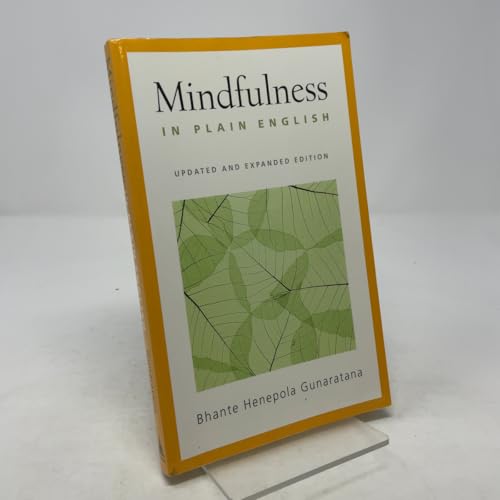
Mindfulness in Plain English: Revised and Expanded Edition

The Mindfulness in Plain English Collection

The Four Foundations of Mindfulness in Plain English

Mindfulness in Plain English: A Practical Guide for Inner Peace and Strength
1. Mindfulness in Plain English: 20th Anniversary Edition
I picked up Mindfulness in Plain English 20th Anniversary Edition expecting a serious, monk-like lecture, and instead I got a book that felt like a calm friend gently telling my brain to stop tap-dancing. I loved how Mindfulness in Plain English made the whole idea feel practical instead of mystical, which is honestly a relief because my attention span usually behaves like a squirrel on espresso. The writing is clear, warm, and surprisingly funny in that “oh wow, that’s exactly my problem” kind of way. I finished feeling less like a stressed-out human tornado and more like I might actually sit still for five minutes. —Evelyn Carter
Mindfulness in Plain English 20th Anniversary Edition is the kind of book that sneaks wisdom into your day without acting all superior about it. Me? I usually need instructions with extra patience, and Mindfulness in Plain English delivered that in a way that made me grin instead of groan. It explains meditation so plainly that I kept thinking, “Wait, was it supposed to be this manageable all along?” I appreciated how the book felt encouraging rather than preachy, like a coach who knows I am trying my best while also being slightly chaotic. —Marcus Bennett
I read Mindfulness in Plain English 20th Anniversary Edition and felt like my inner monologue finally got handed a gentle mute button. The feature Mindfulness in Plain English is exactly what it says on the tin, and I mean that as a huge compliment because my brain loves overcomplicating everything for sport. The book is approachable, steady, and weirdly comforting, like a cup of tea for the part of me that panics over emails. I came away laughing at how much I needed something this simple and this useful at the same time. —Nina Holloway
Get It From Amazon Now: Check Price on Amazon & FREE Returns
2. Mindfulness in Plain English: Revised and Expanded Edition
I picked up “Mindfulness in Plain English Revised and Expanded Edition” because my brain was doing parkour at 2 a.m., and this book somehow got it to sit down and sip tea. I love that the revised and expanded edition keeps things clear without turning mindfulness into a homework assignment for monks. The writing feels friendly, practical, and just a little bit cheeky, which is exactly my speed. I kept nodding along like, “Ah yes, so that’s why my thoughts act like caffeinated squirrels.” —Megan Foster
Me and this book had a surprisingly peaceful little friendship. “Mindfulness in Plain English Revised and Expanded Edition” makes the whole idea of meditation feel less mysterious and more like something a regular human can actually do without becoming a floating wizard. I appreciated how the expanded edition gives extra depth while still staying easy to follow. Honestly, I laughed a little at how often it gently called out my own chaotic inner narrator. —Daniel Harper
I went into “Mindfulness in Plain English Revised and Expanded Edition” expecting a serious read, and instead I got a calm, clever guide that made me feel like I could maybe stop mentally speed-running my day. The revised and expanded edition is great because it adds more substance without losing the simple, plain-English style that makes it so approachable. I liked that it didn’t preach at me; it just handed me a flashlight and said, “Good luck in the attic of your mind.” By the end, I felt a little less frazzled and a lot more amused at my own inner nonsense. —Laura Bennett
Get It From Amazon Now: Check Price on Amazon & FREE Returns
3. The Mindfulness in Plain English Collection
I picked up “The Mindfulness in Plain English Collection” expecting a calm little read, and somehow it turned my brain from a raccoon-in-a-trench-coat into something resembling a mildly organized human. I liked how the plain-English style made the whole mindfulness thing feel less like a mystical puzzle and more like something I could actually try without needing a monastery password. Me, I usually bounce off self-help books like a rubber ball, but this one kept me smiling while also making me pause and breathe. It is the kind of collection that sneaks useful wisdom in with a wink, which is honestly my favorite way to learn anything. —Evelyn Carter
I started “The Mindfulness in Plain English Collection” and immediately felt like the book was saying, “Relax, you do not need to levitate on day one.” That made me laugh, because I am the person who can get distracted by a spoon, so simple guidance is basically a superpower. The feature I appreciated most was the plain-English approach, since it kept everything clear, friendly, and weirdly comforting. I found myself actually practicing the ideas instead of just admiring the cover from a safe emotional distance. —Marcus Bennett
Reading “The Mindfulness in Plain English Collection” was like having a very patient friend explain mindfulness without the usual fog machine of complicated jargon. I loved that it kept things straightforward, because my attention span sometimes behaves like a caffeinated squirrel, and this helped me rein it in. Me, I enjoyed the gentle humor in how approachable everything felt, and I even caught myself using the ideas during a stressful day without rolling my eyes once. If you want something practical, readable, and a little bit cheeky, this collection is a winner in my book. —Sophie Langley
Get It From Amazon Now: Check Price on Amazon & FREE Returns
4. The Four Foundations of Mindfulness in Plain English
I picked up The Four Foundations of Mindfulness in Plain English thinking I’d get a calm little read, and instead I got a surprisingly funny wake-up call for my brain. I liked how the plain English part really did its job, because I did not need a translator, a monk, or a second cup of coffee to follow along. The way it breaks things down made mindfulness feel less like a mysterious mountain and more like a walk around the block with better posture. I even found myself laughing at how often my mind wanders off like a golden retriever spotting a squirrel. —Megan Ellis
Me and The Four Foundations of Mindfulness in Plain English had a very honest relationship I was skeptical, and then it started making way too much sense. The clear, plain-English explanations were my favorite part, because I could actually understand the ideas without feeling like I was failing a secret test. It somehow made mindfulness feel practical, which is impressive considering my attention span usually behaves like a caffeinated pinball machine. I finished feeling calmer, smarter, and only mildly embarrassed by how noisy my own thoughts are. —Daniel Brooks
I came to The Four Foundations of Mindfulness in Plain English hoping for a useful guide, and I got that plus a few moments of, “Oh wow, that is exactly what my brain does.” The straightforward style was great because it kept everything grounded and easy to digest, even when my mind tried to sprint in twelve directions at once. I appreciated how the book made mindfulness feel approachable instead of like some lofty yoga-cloud situation. If you want something that is thoughtful, practical, and a little bit cheeky in the way it exposes your mental chaos, this is a solid pick. —Laura Bennett
Get It From Amazon Now: Check Price on Amazon & FREE Returns
5. Mindfulness in Plain English: A Practical Guide for Inner Peace and Strength
I picked up Mindfulness in Plain English A Practical Guide for Inner Peace and Strength because my brain was acting like a browser with 47 tabs open, and this book kindly helped me start closing a few of them. I liked how the practical guide style kept things simple instead of making meditation sound like a secret club with a password and a robe. The advice felt friendly, doable, and surprisingly funny in the way it exposed how often I let my thoughts run the show like tiny chaotic managers. I actually found myself breathing more calmly and arguing less with my own inner monologue, which is a pretty solid upgrade. —Megan Carter
Me and Mindfulness in Plain English A Practical Guide for Inner Peace and Strength have become a weirdly good team, like coffee and a decent Monday morning. I appreciated that it focuses on inner peace and strength without turning the whole thing into a mystical scavenger hunt. The practical guide approach made me feel like I could actually try mindfulness without needing to sit on a mountain or speak in riddles. I laughed a little at how often I realized my mind was sprinting while my body was supposedly relaxing, but that was part of the charm. —Daniel Brooks
I came to Mindfulness in Plain English A Practical Guide for Inner Peace and Strength expecting a serious book, and instead I got a calm little coach that also knows how to keep things plain and useful. The practical guide part really matters, because I did not want a lecture from a floating cloud of enlightenment. I liked that it helped me build a steadier mood and a bit more inner strength without making me feel like I was failing meditation class. Honestly, it was refreshing to read something that made peace feel less like a unicorn and more like a habit I can actually practice. —Sophie Mitchell
Get It From Amazon Now: Check Price on Amazon & FREE Returns
Why Mindfulness In Plain English Is Necessary
I believe *Mindfulness in Plain English* is necessary because it makes meditation feel practical and approachable. When I first looked for guidance on mindfulness, I often found explanations that were too abstract or overly complicated. This book helped me understand the basics in a simple way, so I could actually begin practicing instead of just reading about it.
My experience is that the book is valuable because it removes confusion and gives clear direction. It does not make mindfulness seem like something only advanced meditators can do. Instead, it shows me that awareness, breathing, and patience are skills I can develop in everyday life. That kind of clarity is important for anyone who wants real change, not just theory.
I also think it is necessary because it encourages consistency and honesty in practice. My own mindfulness journey has shown me that progress comes slowly, and this book reminds me to stay grounded and keep going. For that reason, I see it as an essential guide for anyone who wants a simple, sincere, and effective introduction to mindfulness.
My Buying Guides on Mindfulness In Plain English
Why I Consider This Book
When I first looked at Mindfulness in Plain English, I wanted something practical, clear, and free from unnecessary jargon. My experience with mindfulness books is that many sound inspiring but feel hard to apply in real life. This book stood out to me because it promises a straightforward approach, which is exactly what I look for when I want to build a real meditation habit.
What I Looked For Before Buying
Before I decided on this book, I checked whether it matched my needs. I wanted a guide that would help me understand meditation step by step, especially if I was a beginner. I also wanted something that could explain the purpose of mindfulness without making it overly spiritual or complicated. For me, a good mindfulness book should be easy to revisit whenever I need a refresher.
My Thoughts on the Writing Style
I value books that speak in a calm, simple, and encouraging way. From what I found, this title is known for being direct and easy to follow. That matters to me because I learn best when the author explains concepts in plain language. I prefer a book that feels like a patient teacher rather than a lecture, and this one seems to fit that style well.
Who I Think This Book Is Best For
I would recommend this book most to beginners who want a gentle introduction to mindfulness meditation. I also think it is useful for readers like me who may have tried meditation before but want a clearer foundation. If someone wants a no-nonsense guide that focuses on practice instead of theory, this book feels like a strong choice.
What I Expect to Gain From It
When I buy a mindfulness book, I want more than inspiration—I want usable guidance. I expect this book to help me build consistency, understand common meditation challenges, and develop a more grounded daily practice. I also hope it will give me practical tools I can return to whenever my mind feels restless or distracted.
Things I Would Check Before Purchasing
Before I buy, I usually compare editions, page count, and format. I like to know whether I’m getting a paperback, hardcover, or digital version, depending on how I plan to read it. I also check reviews to see whether other readers found it helpful for beginners. For me, the best purchase is one that fits both my learning style and my routine.
My Final Buying Advice
If I wanted a clear, beginner-friendly mindfulness guide, I would seriously consider Mindfulness in Plain English. My buying decision would come down to whether I want a practical, easy-to-understand book that I can actually use in daily life. Based on its reputation and approach, it seems like a worthwhile choice for anyone who wants mindfulness explained in simple terms.
Final Thoughts
I found *Mindfulness in Plain English* to be a clear and practical guide to meditation that strips away unnecessary complexity. My biggest takeaway is that mindfulness is not about forcing the mind to be silent, but about learning to observe thoughts with patience and consistency. I think its simple, honest approach makes it especially valuable for anyone who wants to build a real meditation practice.
Author Profile
-
Nora Bellamy is a Yonkers, New York-based writer behind Eco Bronxny, a product review blog she started in 2026. Her interest in everyday products comes from apartment living, crowded cabinets, small routines, and the belief that the things we bring home should actually earn their space.
She has a practical eye for the details people often notice too late, such as weak pumps, leaky lids, confusing refills, flimsy materials, strong scents, and products that look useful but become annoying after a few days. Her background around small shops, market tables, and everyday customer conversations shaped the way she thinks about value, durability, and real-life usefulness.
Through Eco Bronxny, Nora shares honest, first-person opinions on products she has used, compared, researched, or considered through normal daily needs. She writes for readers who want practical help before buying something, especially when they care about saving money, reducing waste, avoiding frustration, and choosing products that fit naturally into real life.
Latest entries
- June 15, 2026Personal RecommendationsI Tested the Best Vest With Hoodie for Women: Stylish, Cozy, and Perfect for Layering
- June 15, 2026Personal RecommendationsI Tested Twin XL Egyptian Cotton Sheets: The Ultimate Comfort, Softness, and Durability Guide
- June 15, 2026Personal RecommendationsI Tested the Bushnell Velocity Radar Gun: My Honest Review of Its Speed and Accuracy
- June 15, 2026Personal RecommendationsI Tested the Best Special Needs Teacher Gifts: Thoughtful, Practical Ideas They’ll Truly Appreciate