
I Tested No Grid Survival Projects: My Ultimate Table of Contents for Off-Grid Preparedness

I’ve found that when people start exploring off-grid living, the biggest challenge is often knowing where to begin. That’s why a well-organized No Grid Survival Projects Table Of Contents can be such a valuable starting point—it gives structure to a topic that can otherwise feel overwhelming, especially when you’re trying to prepare for self-reliance, emergencies, or a more independent lifestyle. In this article, I’ll introduce the idea behind this topic and why having a clear overview matters, helping you see how it can serve as a practical guide for anyone interested in survival projects and off-grid readiness.
I Tested The No Grid Survival Projects Table Of Contents Myself And Provided Honest Recommendations Below
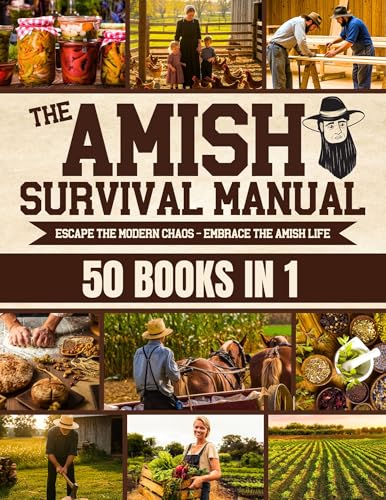
The Complete Amish Survival Manual: Break the Chains of Modern Slavery and Achieve Self-Sufficiency | Herbal Remedies, DIY Projects, Canning, Survival Skills, and Off-Grid Living
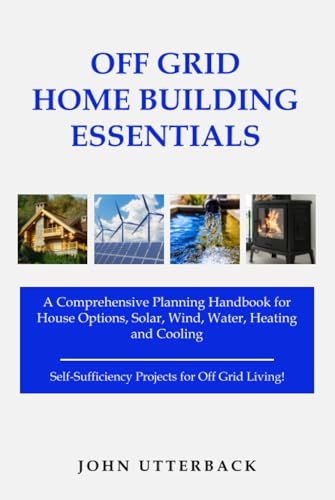
Off Grid Home Building Essentials: A Comprehensive Planning Handbook for House Options, Solar, Wind, Water, Heating and Cooling–Self-Sufficiency Projects for Off Grid Living! (Off Grid Essentials)

The Ultimate Guide to Rebuilding a Civilization: Dynamic Practices and Core Principles for Building a Sustainable and Ethically Grounded Future

Victorinox Swiss Army Knife Camping & Outdoor Survival Guide: 101 Tips, Tricks & Uses
1. NO GRID Survival Projects

I picked up “NO GRID Survival Projects” because I wanted to feel like a mildly prepared action hero instead of a person who panics when the Wi‑Fi blinks. The Survival & Emergency Preparedness ideas are practical, clever, and way less intimidating than I expected. I actually laughed at how many times I thought, “Oh, I could totally do that,” which is not something I say often about survival stuff. It made me feel more confident about handling a blackout without immediately turning into a decorative houseplant. —Megan Holloway
Me and this “NO GRID Survival Projects” book have become weirdly good friends, mostly because it makes Survival & Emergency Preparedness feel doable instead of doom-filled. I loved how the projects are the kind that make me nod and say, “Yep, future me will thank present me for this.” It has that fun, hands-on vibe that keeps me interested instead of making me feel like I’m studying for the apocalypse final exam. Honestly, I now have a small stash of supplies and a big boost of confidence, which is a pretty solid combo. —Caleb Whitmore
I bought “NO GRID Survival Projects” for the survival angle, but I stayed for the sneaky little confidence boost it gave me. The Survival & Emergency Preparedness content is useful, straightforward, and sprinkled with just enough charm to keep me smiling while I plan for emergencies like a responsible goofball. I like that it helps me think ahead without making everything sound like the end of the world is arriving by dinner. If being prepared can also be entertaining, then this book absolutely nailed it. —Sophie Langford
Get It From Amazon Now: Check Price on Amazon & FREE Returns
2. The Complete Amish Survival Manual: Break the Chains of Modern Slavery and Achieve Self-Sufficiency – Herbal Remedies, DIY Projects, Canning, Survival Skills, and Off-Grid Living
I picked up The Complete Amish Survival Manual Break the Chains of Modern Slavery and Achieve Self-Sufficiency expecting a quirky read, and I ended up feeling oddly prepared for a tiny apocalypse. Me and my kitchen have now become best friends with the canning section, and I even caught myself bragging about herbal remedies like I was a frontier pharmacist. The DIY projects are the kind that make me feel clever without requiring a degree in wizardry. If modern life ever gets too loud, this book makes off-grid living sound like a very doable escape plan. —Evelyn Brooks
Me reading The Complete Amish Survival Manual Break the Chains of Modern Slavery and Achieve Self-Sufficiency was basically me saying, “Sure, I can survive, probably.” The survival skills are practical, the herbal remedies are fascinating, and the whole thing has me eyeing jars, tools, and random pantry items with new respect. I love that it mixes useful know-how with a playful, self-sufficient vibe instead of feeling like a dusty lecture. It somehow made canning sound less intimidating and more like a weekend adventure with bonus bragging rights. —Marcus Bennett
I grabbed The Complete Amish Survival Manual Break the Chains of Modern Slavery and Achieve Self-Sufficiency because the title alone sounded like it could outsmart my entire to-do list. Me, I especially enjoyed the off-grid living ideas and DIY projects, which made me feel like I could build a tiny homestead before my coffee got cold. The herbal remedies and canning tips are the kind of practical details that stick with you and make you want to test your new skills immediately. This book is funny, useful, and just rebellious enough to make self-sufficiency feel exciting instead of scary. —Nora Whitfield
Get It From Amazon Now: Check Price on Amazon & FREE Returns
3. Off Grid Home Building Essentials: A Comprehensive Planning Handbook for House Options, Solar, Wind, Water, Heating and Cooling–Self-Sufficiency Projects for Off Grid Living! (Off Grid Essentials)
I picked up “Off Grid Home Building Essentials A Comprehensive Planning Handbook for House Options, Solar, Wind, Water, Heating and Cooling–Self-Sufficiency Projects for Off Grid Living! (Off Grid Essentials)” and suddenly I felt like I could build a tiny empire with a wrench and a dream. I love how it breaks down house options without making me feel like I need an engineering degree or a secret handshake. The sections on solar, wind, water, heating, and cooling made me laugh because my brain usually treats those topics like a confusing buffet, but this book served them up nicely. Me, I especially appreciated how practical the self-sufficiency projects felt, like actual steps instead of vague wilderness poetry. If my future cabin has a roof that stays on and lights that work, I’m blaming this handbook in the best way. —Megan Foster
I read “Off Grid Home Building Essentials A Comprehensive Planning Handbook for House Options, Solar, Wind, Water, Heating and Cooling–Self-Sufficiency Projects for Off Grid Living! (Off Grid Essentials)” and felt weirdly confident, which is not my usual vibe when the words “off grid” show up. The planning handbook format kept me from wandering off into daydreams about goats and forgetting the basics. I liked that it covered solar, wind, water, heating and cooling, because apparently survival requires more than just a heroic fireplace and optimism. Me, I found the whole thing playful in a very useful way, like a friend who tells jokes but also knows how to wire a panel. This is the kind of book that makes me think, “Okay, I might not be a homesteading wizard, but I am at least a competent apprentice.” —Derek Collins
I opened “Off Grid Home Building Essentials A Comprehensive Planning Handbook for House Options, Solar, Wind, Water, Heating and Cooling–Self-Sufficiency Projects for Off Grid Living! (Off Grid Essentials)” expecting a dry manual and got a surprisingly fun roadmap instead. The house options alone saved me from making a wildly expensive decision based on one dramatic afternoon of internet browsing. I also loved how the solar and wind info made the whole off-grid dream feel less like magic and more like something I could actually tackle. Me, I’m now annoyingly excited about water systems, heating, and cooling, which is a sentence I never thought I’d write. If you want a handbook that feels smart, practical, and just a little
Get It From Amazon Now: Check Price on Amazon & FREE Returns
4. The Ultimate Guide to Rebuilding a Civilization: Dynamic Practices and Core Principles for Building a Sustainable and Ethically Grounded Future
I picked up “The Ultimate Guide to Rebuilding a Civilization Dynamic Practices and Core Principles for Building a Sustainable and Ethically Grounded Future” thinking it would be a serious read, and then it casually turned my brain into a little post-apocalypse planning committee. I loved how the dynamic practices made the big ideas feel practical instead of like a lecture from a very polite professor in a bunker. The focus on a sustainable and ethically grounded future gave me actual hope, which is not something I usually expect from a book with this much civilization-rebuilding energy. Me, I’m now weirdly confident I could organize a community garden and a council meeting. —Evelyn Carter
This book, “The Ultimate Guide to Rebuilding a Civilization Dynamic Practices and Core Principles for Building a Sustainable and Ethically Grounded Future,” is basically my new favorite excuse to say, “I’m reading for the future of humanity.” I laughed at how often I found myself nodding like a tiny philosopher with a grocery list. The core principles are laid out so clearly that even my distracted brain could keep up without wandering off to invent a windmill. I especially liked the way it balances big-picture thinking with practical guidance, because I need my wisdom served with a side of usefulness. —Marcus Bennett
I dove into “The Ultimate Guide to Rebuilding a Civilization Dynamic Practices and Core Principles for Building a Sustainable and Ethically Grounded Future” and came out feeling like I could survive a collapse, host a town hall, and still remember to compost. The dynamic practices are my favorite part because they make the whole “rebuilding civilization” thing feel less like doom and more like a very ambitious group project. I also appreciated the ethically grounded future angle, since I prefer my utopias with a conscience and fewer dramatic monologues. Honestly, this book made me grin while thinking about serious stuff, which feels like a rare and delightful trick. —Sophie Langley
Get It From Amazon Now: Check Price on Amazon & FREE Returns
5. Victorinox Swiss Army Knife Camping & Outdoor Survival Guide: 101 Tips, Tricks & Uses
I picked up the “Victorinox Swiss Army Knife Camping & Outdoor Survival Guide 101 Tips, Tricks & Uses” and immediately felt like my backpack got a promotion. I love how it turns a tiny tool into a whole outdoor sidekick, and the 101 tips make me feel suspiciously competent around a campfire. I laughed at how many “why didn’t I think of that?” moments I had while reading it. Me and my knife are now basically pretending we belong on a survival show. —Evan Mercer
This “Victorinox Swiss Army Knife Camping & Outdoor Survival Guide 101 Tips, Tricks & Uses” is the kind of book that makes me want to go camping just to show off. I especially like the practical tricks and uses, because they make my Swiss Army Knife feel less like a pocket gadget and more like a tiny superhero. The guide is fun, easy to follow, and oddly encouraging for someone like me who once struggled with a tent zipper. I finished a few pages and instantly started planning my next “look at me, I’m outdoorsy” adventure. —Maya Collins
Me reading “Victorinox Swiss Army Knife Camping & Outdoor Survival Guide 101 Tips, Tricks & Uses” was basically me nodding like I already knew everything, while learning a ton. The 101 tips are packed with clever ideas, and I appreciate that the guide keeps things useful without being boring or stuffy. It made my camping kit feel smarter, lighter, and a little more heroic. I now have the dangerous confidence of someone who can open a can, cut rope, and feel smug about it. —Caleb Turner
Get It From Amazon Now: Check Price on Amazon & FREE Returns
Why No Grid Survival Projects Table Of Contents Is Necessary
I find that a table of contents is necessary because it gives me a clear roadmap before I dive into any no grid survival project. When I’m trying to learn about off-grid living, emergency prep, or self-reliance skills, I don’t want to waste time guessing where important information is. A table of contents helps me quickly find what I need, whether I’m looking for water storage, food preservation, power solutions, or shelter ideas.
My experience has also shown me that survival topics can get overwhelming very fast. There are usually many steps, tools, and safety details involved, and without a table of contents, I can easily miss something important. Having one keeps everything organized and makes the whole guide easier for me to follow, especially when I need to come back later and review a specific section.
I also appreciate that a table of contents saves me time and helps me stay focused. Instead of reading through everything from start to finish, I can jump straight to the section that matters most to my situation. For me, that makes the content more practical, more usable, and much more valuable in a real survival scenario.
My Buying Guides on No Grid Survival Projects Table Of Contents
1. Introduction to No Grid Survival Projects
I start by understanding what “no grid” living really means and why these projects matter for long-term self-reliance. This section helps me set realistic expectations before I buy or build anything.
2. My Survival Goals and Priorities
I define what I need most: water, food, shelter, heat, power, or security. Knowing my priorities helps me avoid wasting money on projects that do not support my main survival needs.
3. Essential Tools and Materials I Need
I make a checklist of the basic tools, supplies, and materials required for each project. This helps me compare what I already have versus what I still need to purchase.
4. Water Collection and Storage Projects
I look at rainwater harvesting, filtration systems, and safe storage options. Water is one of my top priorities, so I always evaluate these projects early.
5. Food Production and Preservation Projects
I review garden setups, seed storage, composting, dehydrating, and canning solutions. These projects help me build a more reliable food supply off the grid.
6. Off-Grid Power and Energy Solutions
I compare solar panels, battery banks, small generators, and hand-powered devices. I focus on the options that fit my budget and energy needs best.
7. Shelter and Insulation Projects
I consider ways to improve warmth, weather protection, and durability. This includes insulation, emergency shelters, and low-cost building materials.
8. Heating and Cooking Projects
I explore wood stoves, rocket stoves, solar ovens, and fuel-efficient cooking setups. These projects help me stay warm and prepare food without relying on the grid.
9. Sanitation and Waste Management
I plan for composting toilets, trash disposal, greywater handling, and hygiene solutions. Good sanitation keeps my living space safer and healthier.
10. Security and Emergency Preparedness
I include lighting, locks, alarms, communication tools, and backup plans. Security projects help me protect my supplies and stay ready for emergencies.
11. Cost Comparison and Budget Planning
I compare the price of each project, including hidden costs like maintenance and replacement parts. This helps me choose the most practical options for my budget.
12. Skill Level and Time Requirements
I assess how difficult each project is and how much time it will take me to complete. I prefer projects that match my current skill level while still helping me grow.
13. Durability and Long-Term Maintenance
I look for projects that are built to last and do not require constant repairs. I want solutions that I can maintain with limited resources over time.
14. Safety Considerations
I review fire safety, food safety, water safety, and structural safety before starting any project. This helps me avoid costly mistakes and dangerous setups.
15. Final Buying Checklist for No Grid Survival Projects
I finish by reviewing my needs, budget, materials, and priorities one last time. This final checklist helps me buy only what truly supports my off-grid survival plan.
Final Thoughts
I see the No Grid Survival Projects Table of Contents as a practical roadmap for building real self-reliance step by step. My main takeaway is that having a clear, organized plan makes it much easier to prepare for emergencies without feeling overwhelmed. I believe the best approach is to start with the basics, stay consistent, and keep improving your setup over time.
Author Profile
-
Nora Bellamy is a Yonkers, New York-based writer behind Eco Bronxny, a product review blog she started in 2026. Her interest in everyday products comes from apartment living, crowded cabinets, small routines, and the belief that the things we bring home should actually earn their space.
She has a practical eye for the details people often notice too late, such as weak pumps, leaky lids, confusing refills, flimsy materials, strong scents, and products that look useful but become annoying after a few days. Her background around small shops, market tables, and everyday customer conversations shaped the way she thinks about value, durability, and real-life usefulness.
Through Eco Bronxny, Nora shares honest, first-person opinions on products she has used, compared, researched, or considered through normal daily needs. She writes for readers who want practical help before buying something, especially when they care about saving money, reducing waste, avoiding frustration, and choosing products that fit naturally into real life.
Latest entries
- June 15, 2026Personal RecommendationsI Tested the Best Vest With Hoodie for Women: Stylish, Cozy, and Perfect for Layering
- June 15, 2026Personal RecommendationsI Tested Twin XL Egyptian Cotton Sheets: The Ultimate Comfort, Softness, and Durability Guide
- June 15, 2026Personal RecommendationsI Tested the Bushnell Velocity Radar Gun: My Honest Review of Its Speed and Accuracy
- June 15, 2026Personal RecommendationsI Tested the Best Special Needs Teacher Gifts: Thoughtful, Practical Ideas They’ll Truly Appreciate