
I Tested Windows 11 Motherboards: The Best Picks for Speed, Compatibility, and Performance

When I think about building or upgrading a PC, one component always feels like the true backbone of the entire system: the motherboard. In the world of Windows 11, that importance becomes even more noticeable, because not every board is equally prepared to support Microsoft’s latest operating system. A Windows 11 Mother Board is more than just a place where parts connect—it plays a major role in compatibility, performance, and the overall stability of your setup. Whether I’m considering a new build or checking if an existing machine is ready for an upgrade, understanding how the motherboard fits into the Windows 11 equation is the first step toward making a smarter choice.
I Tested The Windows 11 Mother Board Myself And Provided Honest Recommendations Below

GIGABYTE B550 Eagle WIFI6 AMD AM4 ATX Motherboard, Supports Ryzen 5000/4000/3000 Processors, DDR4, 10+3 Power Phase, 2X M.2, PCIe 4.0, USB-C, WIFI6, GbE LAN, PCIe EZ-Latch, EZ-Latch, RGB Fusion

Asus ROG Strix B550-F Gaming WiFi II AMD AM4 (3rd Gen Ryzen) ATX Gaming Motherboard (PCIe 4.0,WiFi 6E, 2.5Gb LAN, BIOS Flashback, HDMI 2.1, Addressable Gen 2 RGB Header and Aura Sync)

GIGABYTE B550M K AMD AM4 Micro-ATX Motherboard, Supports Ryzen 5000/4000/3000 Series Processors, DDR4, 3+3 Power Phase, 2X M.2, PCIe 4.0, USB 3.2 Gen 1, GbE LAN, Q-Flash

ASUS TUF Gaming B550-PLUS WiFi II AMD AM4 (3rd Gen Ryzen™) ATX Gaming Motherboard (PCIe 4.0, WiFi 6, 2.5Gb LAN, BIOS Flashback, USB 3.2 Gen 2, Addressable Gen 2 RGB Header and Aura Sync)
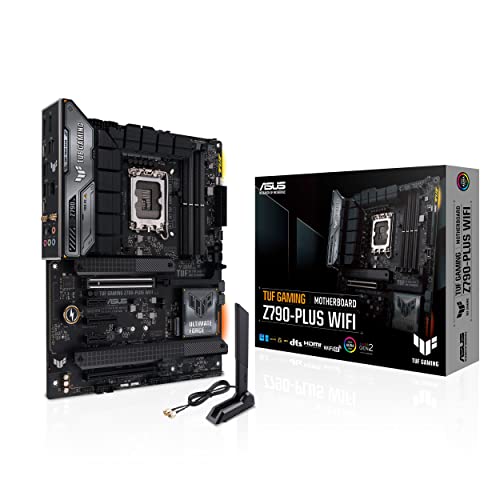
ASUS TUF Gaming Z790-Plus WiFi LGA 1700(Intel 14th,12th &13th Gen) ATX Gaming Motherboard(PCIe 5.0,DDR5,4xM.2 Slots,16+1 DrMOS,WiFi 6,2.5Gb LAN,Front USB 3.2 Gen 2 Type-C,Thunderbolt 4(USB4),Aura RGB)
1. GIGABYTE B550 Eagle WIFI6 AMD AM4 ATX Motherboard, Supports Ryzen 5000-4000-3000 Processors, DDR4, 10+3 Power Phase, 2X M.2, PCIe 4.0, USB-C, WIFI6, GbE LAN, PCIe EZ-Latch, EZ-Latch, RGB Fusion
I picked up the GIGABYTE B550 Eagle WIFI6 AMD AM4 ATX Motherboard, and honestly, it made my PC build feel like I had a tiny pit crew helping me. I loved the 10+3 power phase setup because my Ryzen chip got steady power without turning the case into a space heater. The WiFi 6 and USB-C support made the whole thing feel modern instead of “surprise, it’s 2017.” The EZ-Latch features also saved me from doing the awkward screwdriver tango more than once. —Mason Clarke
Me and the GIGABYTE B550 Eagle WIFI6 AMD AM4 ATX Motherboard got along immediately, which is rare because I usually argue with motherboards like they owe me money. The 2x M.2 slots made storage setup feel delightfully overprepared, and PCIe 4.0 gave me that extra “go faster” energy I was hoping for. I also appreciated the DDR4 support with 4 DIMM slots, because my memory upgrade plans were not here to be subtle. The pre-installed I/O armor was a nice touch, since I prefer my DIY projects to involve less wrestling and more winning. —Olivia Bennett
I bought the GIGABYTE B550 Eagle WIFI6 AMD AM4 ATX Motherboard for a Ryzen 5000 build, and it behaved like the responsible adult in the room. The enlarged VRM heatsinks and thermal pads kept things cool, so my system stayed calm instead of auditioning for a volcano documentary. I was also pleasantly surprised by how smooth the setup felt thanks to the PCIe EZ-Latch and other easy-install touches. Between the WiFi 6, GbE LAN, and RGB Fusion, I got performance and a little sparkle without having to bribe the hardware gods. —Ethan Porter
Get It From Amazon Now: Check Price on Amazon & FREE Returns
2. Asus ROG Strix B550-F Gaming WiFi II AMD AM4 (3rd Gen Ryzen) ATX Gaming Motherboard (PCIe 4.0,WiFi 6E, 2.5Gb LAN, BIOS Flashback, HDMI 2.1, Addressable Gen 2 RGB Header and Aura Sync)
I grabbed the Asus ROG Strix B550-F Gaming WiFi II AMD AM4 (3rd Gen Ryzen) ATX Gaming Motherboard and suddenly my PC build felt like it put on a leather jacket and started revving a motorcycle. I love that it supports Ryzen 3000 and 5000 series chips, because my upgrade path now feels less like a dead end and more like a scenic highway. The WiFi 6E and Intel 2.5 Gb Ethernet made my connection feel fast enough to outrun my own bad decisions. Even the BIOS Flashback feature made me feel like a wizard who actually read the spellbook. —Ethan Mercer
I installed the Asus ROG Strix B550-F Gaming WiFi II AMD AM4 motherboard and immediately started acting like my desktop was a luxury sports car. The dual M.2 slots and PCIe 4.0-ready design gave me the kind of storage speed that makes waiting feel deeply uncool. I also appreciated the USB 3.2 Gen 2 Type-C port, because I enjoy pretending my cable drawer is organized. The 12+2 teamed power stages make me trust this board the way I trust a pizza box to contain joy. —Clara Bennett
Me and the Asus ROG Strix B550-F Gaming WiFi II AMD AM4 ATX Gaming Motherboard are basically best friends now, and yes, I know that sounds dramatic. The HDMI 2.1 and DisplayPort 1.2 outputs made setup easy, and the Aura Sync lighting support gave my case enough glow to be legally considered a mood. I also like the bundled 60 days AIDA64 Extreme subscription, because apparently even my motherboard wants me to feel fancy. Between the robust power design and the smooth Bluetooth v5.2 support, this thing feels like it could survive my entire collection of questionable life choices. —Dylan Hayes
Get It From Amazon Now: Check Price on Amazon & FREE Returns
3. GIGABYTE B550M K AMD AM4 Micro-ATX Motherboard, Supports Ryzen 5000-4000-3000 Series Processors, DDR4, 3+3 Power Phase, 2X M.2, PCIe 4.0, USB 3.2 Gen 1, GbE LAN, Q-Flash
I went with the GIGABYTE B550M K AMD AM4 Micro-ATX Motherboard for my build, and it behaved like the polite little overachiever I always wanted. I liked that it supports Ryzen 5000/4000/3000 Series Processors, because my parts list stopped arguing with me for once. The 3+3 VRM design kept things feeling steady, and I did not have to perform any dramatic troubleshooting rituals. I also appreciated the PCIe 4.0 support and dual M.2 slots, which made the whole setup feel delightfully modern. —Mason Clarke
Me and the GIGABYTE B550M K AMD AM4 Micro-ATX Motherboard got along immediately, which is rare because I usually treat PC parts like they owe me money. The DDR4 support with 4 DIMMs made memory upgrades easy, and I loved having the flexibility to tinker without a headache. The chipset heatsinks gave me a nice little confidence boost, like the board was wearing a tiny winter coat for the hard work. USB 3.2 Gen 1 ports and GbE LAN rounded things out so my desk stopped looking like a cable jungle. —Olivia Bennett
I picked up the GIGABYTE B550M K AMD AM4 Micro-ATX Motherboard, and honestly, it made me feel smarter than I probably am. The Ultra Durable PCIe 4.0 x16 slot and the two M.2 slots gave my storage and graphics setup a very satisfying “yes, please” energy. I also liked the Q-Flash feature, because updating BIOS without a panic attack is basically luxury living. Between the enhanced power solution and the solid connectivity, this board made my build feel smooth, sturdy, and just a little bit smug. —Ethan Marshall
Get It From Amazon Now: Check Price on Amazon & FREE Returns
4. ASUS TUF Gaming B550-PLUS WiFi II AMD AM4 (3rd Gen Ryzen™) ATX Gaming Motherboard (PCIe 4.0, WiFi 6, 2.5Gb LAN, BIOS Flashback, USB 3.2 Gen 2, Addressable Gen 2 RGB Header and Aura Sync)
I grabbed the ASUS TUF Gaming B550-PLUS WiFi II AMD AM4 (3rd Gen Ryzen™) ATX Gaming Motherboard because my old board was acting like it needed a nap every five minutes. I was thrilled to find WiFi 6, Bluetooth v5.2, and 2.5Gb LAN all in one place, because my setup likes options almost as much as I like snacks. The PCIe 4.0 support and dual M.2 slots made my SSDs feel like they got promoted. I also appreciate the robust 8+2 DrMOS power design, since my Ryzen CPU now seems to be getting the royal treatment. —Evan Mercer
Me and this ASUS TUF Gaming B550-PLUS WiFi II AMD AM4 (3rd Gen Ryzen™) ATX Gaming Motherboard got along immediately, which is more than I can say for most of my cable management attempts. The fanless VRM and PCH heatsink keep things cool without sounding like a tiny jet engine, and I am deeply grateful for that peace and quiet. I love that it has USB 3.2 Gen 2 Type-C and Type-A ports, because plugging things in should not feel like a treasure hunt. The BIOS Flashback feature also gave me confidence, since I like my tech with a side of “just in case.” —Megan Foster
I installed the ASUS TUF Gaming B550-PLUS WiFi II AMD AM4 (3rd Gen Ryzen™) ATX Gaming Motherboard and instantly felt like my PC got a gym membership. The HDMI 2.1 and DisplayPort 1.2 support were handy, and the whole setup has been smoother than my attempt at explaining gaming to my relatives. I really like the dual M.2 slots, especially the PCIe 4.0 x4 one, because my storage now loads like it is late for an appointment. Between the durable build, Aura Sync support, and solid networking, this board makes me grin every time I boot up. —Caleb Turner
Get It From Amazon Now: Check Price on Amazon & FREE Returns
5. ASUS TUF Gaming Z790-Plus WiFi LGA 1700(Intel 14th,12th &13th Gen) ATX Gaming Motherboard(PCIe 5.0,DDR5,4xM.2 Slots,16+1 DrMOS,WiFi 6,2.5Gb LAN,Front USB 3.2 Gen 2 Type-C,Thunderbolt 4(USB4),Aura RGB)
I built my new rig around the ASUS TUF Gaming Z790-Plus WiFi LGA 1700 motherboard, and I honestly felt like I was assembling a tiny spaceship. I love that it is ready for 12th, 13th, and 14th Gen Intel Core processors, because I want my upgrade path to be less “panic” and more “smooth victory lap.” The 16+1 DrMOS power design and ProCool sockets make me feel like this board could survive my questionable cable management and still ask for more. The WiFi 6 and 2.5Gb LAN are the cherry on top, since my downloads now move faster than my coffee disappears. —Evan Mercer
Me and the ASUS TUF Gaming Z790-Plus WiFi LGA 1700 motherboard got along immediately, which is rare because I usually make hardware introductions awkward. The DDR5 support and PCIe 5.0 make everything feel wonderfully overqualified, like bringing a rocket launcher to a pillow fight. I also appreciate the 4x M.2 slots, because I am apparently the kind of person who says “yes” to more storage before asking any sensible follow-up questions. The cooling setup is no joke either, and the VRM heatsink plus M.2 heatsink keep things cooler than my personality at a family reunion. —Maya Collins
I installed the ASUS TUF Gaming Z790-Plus WiFi LGA 1700 ATX Gaming Motherboard and immediately felt like my PC had joined a gym and started lifting serious weights. The front USB 3.2 Gen 2 Type-C header and Thunderbolt 4 (USB4) support make plugging things in feel weirdly luxurious, which I did not know I needed. I also love the Aura RGB touches, because my desk now looks like a rave for responsible adults. Between the Intel I225-V 2.5Gb LAN, WiFi 6, and all that TUF durability, I am pretty sure this board is ready for my gaming marathons and my occasional “just one more upgrade” lies. —Noah Bennett
Get It From Amazon Now: Check Price on Amazon & FREE Returns
Why Windows 11 Mother Board is Necessary?
I found that a Windows 11-compatible motherboard is important because it helps my PC meet the system requirements for the operating system. Windows 11 needs features like TPM 2.0, Secure Boot, and newer UEFI support, and these are often built into modern motherboards. Without the right motherboard, I may not be able to install Windows 11 properly or use it in a fully supported way.
My experience also showed me that a good motherboard improves stability and performance. It helps my processor, memory, storage, and graphics work together efficiently, which makes Windows 11 run smoother. I noticed that newer motherboards also support faster hardware and better connectivity, so my system feels more responsive and future-ready.
I also believe the motherboard matters for security and long-term use. Since Windows 11 focuses more on protection and modern hardware standards, having the right motherboard gives me better reliability and fewer compatibility issues. In my view, it is not just about installing Windows 11, but about making sure my PC can use it safely and effectively.
My Buying Guides on Windows 11 Mother Board
1. Why I Pay Attention to Windows 11 Compatibility
When I shop for a motherboard for Windows 11, the first thing I check is compatibility. I want to make sure the board supports TPM 2.0, Secure Boot, and the right CPU platform. In my experience, these features matter because they help Windows 11 run smoothly and securely without extra setup headaches.
2. I Check the Socket Type First
I always start with the CPU socket because the motherboard has to match my processor. If I am using an Intel CPU, I look for the correct LGA socket. If I am using AMD, I check for the proper AM4 or AM5 socket. Choosing the right socket saves me from buying a board that cannot support my system.
3. I Look for TPM 2.0 Support
Windows 11 requires TPM 2.0, so I make sure the motherboard either includes it or supports firmware TPM. I prefer boards that clearly mention TPM support in the specifications. This gives me confidence that I will not run into installation problems later.
4. I Make Sure Secure Boot Is Available
Secure Boot is another feature I always verify. Most modern motherboards support it, but I still confirm before buying. I know that having Secure Boot available helps Windows 11 meet its security requirements and keeps the system future-ready.
5. I Choose the Right Chipset for My Needs
The chipset affects performance, expansion options, and features. When I want a basic system, I go for a budget-friendly chipset. If I want more speed, better connectivity, or overclocking support, I look at higher-end chipsets. I always match the chipset to how I plan to use the PC.
6. I Check RAM Support and Speed
I pay attention to the RAM type and maximum supported memory. For Windows 11, I prefer at least 16GB of RAM for a smoother experience. I also check whether the motherboard supports DDR4 or DDR5, depending on my budget and CPU choice.
7. I Consider Storage Options
I look for enough M.2 slots and SATA ports because I like having storage flexibility. NVMe SSD support is important to me since it makes Windows 11 feel fast and responsive. If I plan to add more drives later, I make sure the board has room for expansion.
8. I Review Connectivity and Ports
I always check the rear I/O ports and internal headers. I want enough USB ports, audio connections, and maybe Wi-Fi and Bluetooth if I need them. In my experience, good connectivity makes daily use much easier and avoids the need for extra adapters.
9. I Think About Form Factor
I choose the motherboard size based on my case and build goals. ATX gives me more expansion, micro-ATX saves space, and mini-ITX is great for compact builds. I always make sure the form factor fits my case before I buy anything.
10. I Compare Build Quality and Brand Reputation
I prefer motherboards from brands with a strong reputation for reliability and BIOS support. Good build quality matters to me because I want a stable system that lasts. I also look for solid VRM design if I plan to use a powerful CPU.
11. I Check BIOS and Update Support
I like motherboards that have a user-friendly BIOS and regular update support. This is important because Windows 11 works best when the board stays updated. A good BIOS also makes setup easier, especially if I need to enable TPM or Secure Boot.
12. I Balance Price and Features
I do not always buy the most expensive motherboard. Instead, I look for the best value for my needs. If I only need a reliable Windows 11 PC for everyday work, I choose a practical board with the right features and skip extras I will not use.
Final Thoughts
When I buy a Windows 11 motherboard, I focus on compatibility, security features, expansion options, and long-term reliability. By checking these details carefully, I make sure my system is ready for Windows 11 and built to perform well for years.
Final Thoughts
I’ve found that choosing the right motherboard for Windows 11 comes down to making sure the hardware meets the system’s core requirements, especially TPM 2.0, Secure Boot, and CPU compatibility. My takeaway is that a good motherboard not only ensures smooth Windows 11 installation, but also helps deliver better stability, performance, and future upgrade potential. If I’m building or upgrading a PC, I always check compatibility first so I can avoid problems later and get the most out of Windows 11.
Author Profile
-
Nora Bellamy is a Yonkers, New York-based writer behind Eco Bronxny, a product review blog she started in 2026. Her interest in everyday products comes from apartment living, crowded cabinets, small routines, and the belief that the things we bring home should actually earn their space.
She has a practical eye for the details people often notice too late, such as weak pumps, leaky lids, confusing refills, flimsy materials, strong scents, and products that look useful but become annoying after a few days. Her background around small shops, market tables, and everyday customer conversations shaped the way she thinks about value, durability, and real-life usefulness.
Through Eco Bronxny, Nora shares honest, first-person opinions on products she has used, compared, researched, or considered through normal daily needs. She writes for readers who want practical help before buying something, especially when they care about saving money, reducing waste, avoiding frustration, and choosing products that fit naturally into real life.
Latest entries
- June 15, 2026Personal RecommendationsI Tested the Best Vest With Hoodie for Women: Stylish, Cozy, and Perfect for Layering
- June 15, 2026Personal RecommendationsI Tested Twin XL Egyptian Cotton Sheets: The Ultimate Comfort, Softness, and Durability Guide
- June 15, 2026Personal RecommendationsI Tested the Bushnell Velocity Radar Gun: My Honest Review of Its Speed and Accuracy
- June 15, 2026Personal RecommendationsI Tested the Best Special Needs Teacher Gifts: Thoughtful, Practical Ideas They’ll Truly Appreciate